

Luminary Awards Honor GI Cancer Advocates, Researchers, Clinicians and Educators
Posted in Lombardi Stories | Tagged Luminary Awards, Ruesch Center, Ruesch Center Symposium
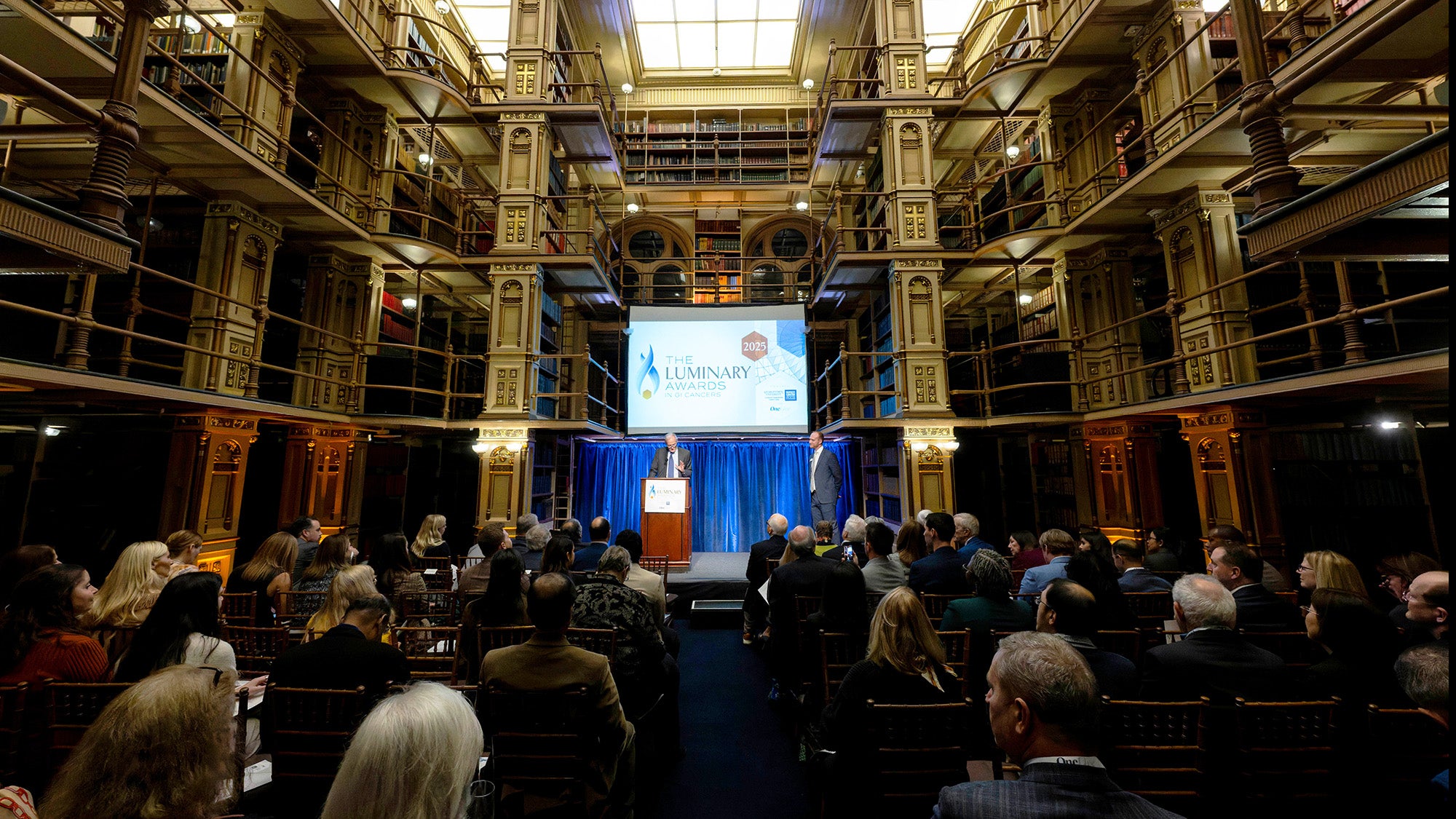
(December 12, 2025) — About a hundred attendees celebrated individuals who have advanced research and improved patient outcomes at the Luminary Awards in GI Cancers on November 20 in Riggs Library.
“We are honored to recognize those who have made curing GI cancers their life’s work,” said John L. Marshall, MD, director of the Ruesch Center for the Cure of Gastrointestinal Cancers. “They each are an inspiration for me and for our entire Georgetown/Lombardi community.”
The 2025 Luminary Award recipients are:
- Carolyn “Bo” Aldigé, founder of the Prevent Cancer Foundation
- Katie Couric, co-founder, Katie Couric Media and Stand Up To Cancer
- Scott Kopetz, MD, PhD, professor and deputy chair for translational research, Department of Gastrointestinal Medical Oncology, Division of Cancer Medicine, The University of Texas MD Anderson Cancer Center
- Anil K. Rustgi, MD, Herbert and Florence Irving Director of the Herbert Irving Comprehensive Cancer Center at Columbia University
- Margaret Tempero, MD, Rombauer Family Distinguished Professorship in Pancreas Cancer Clinical and Translational Science, University of California San Francisco and director of the UCSF Pancreas Center

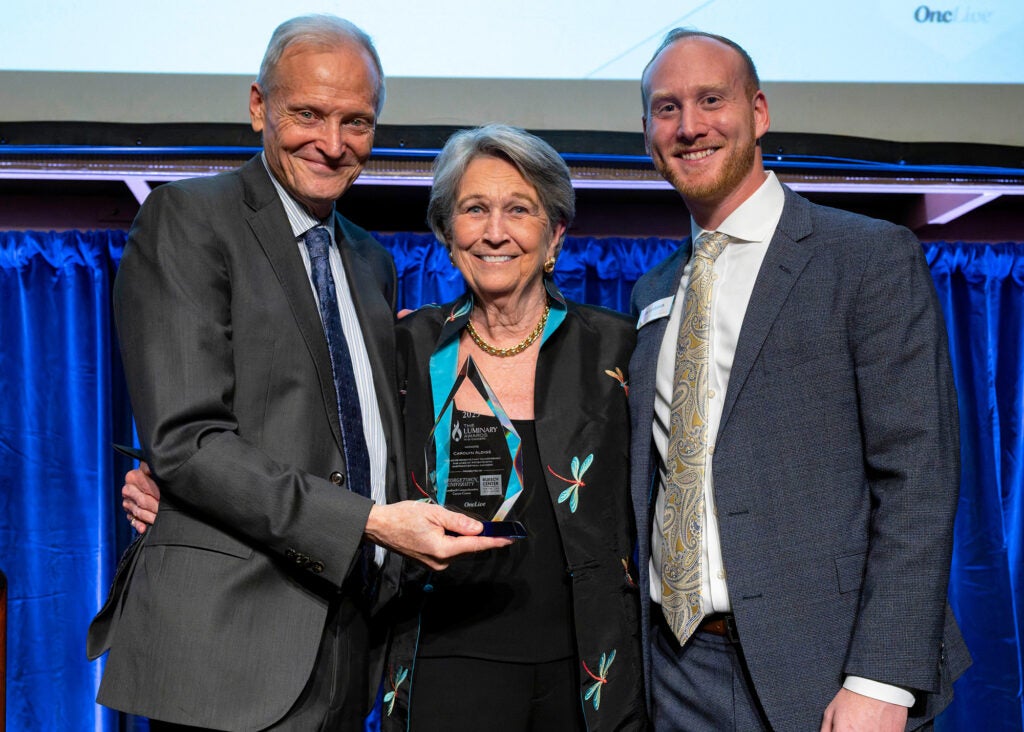
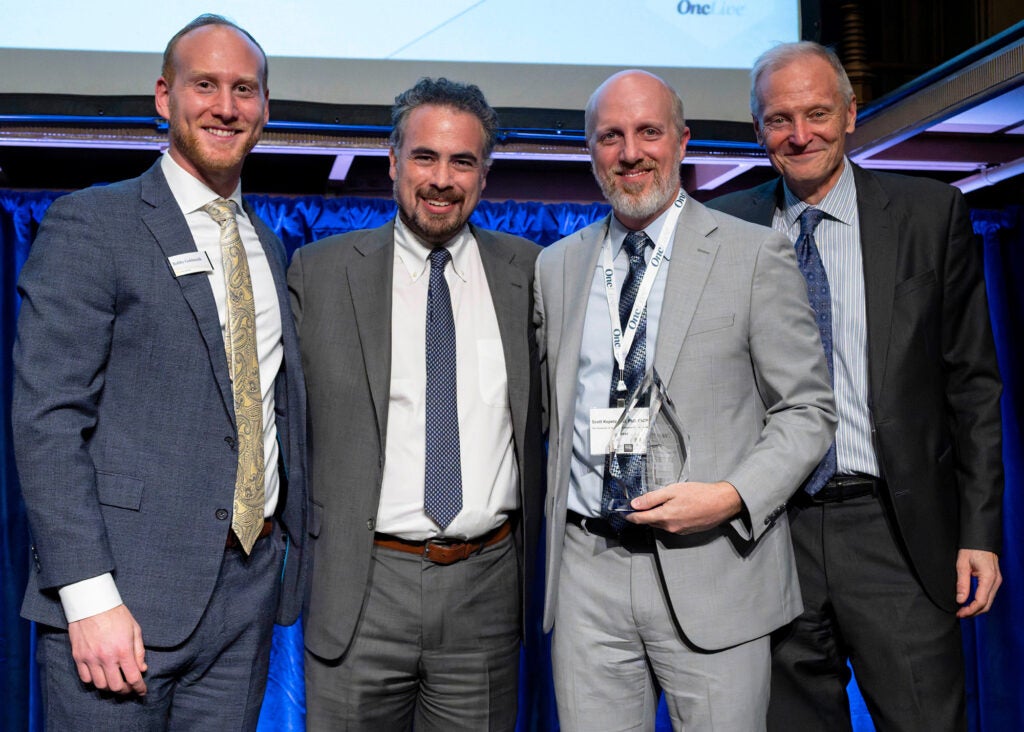
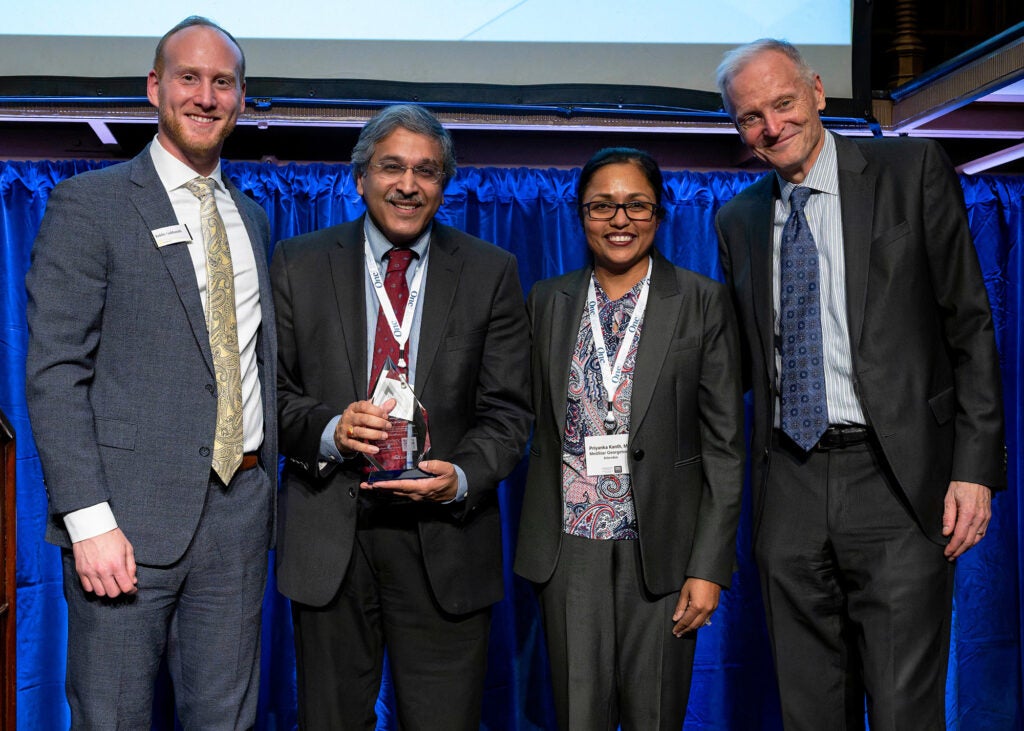
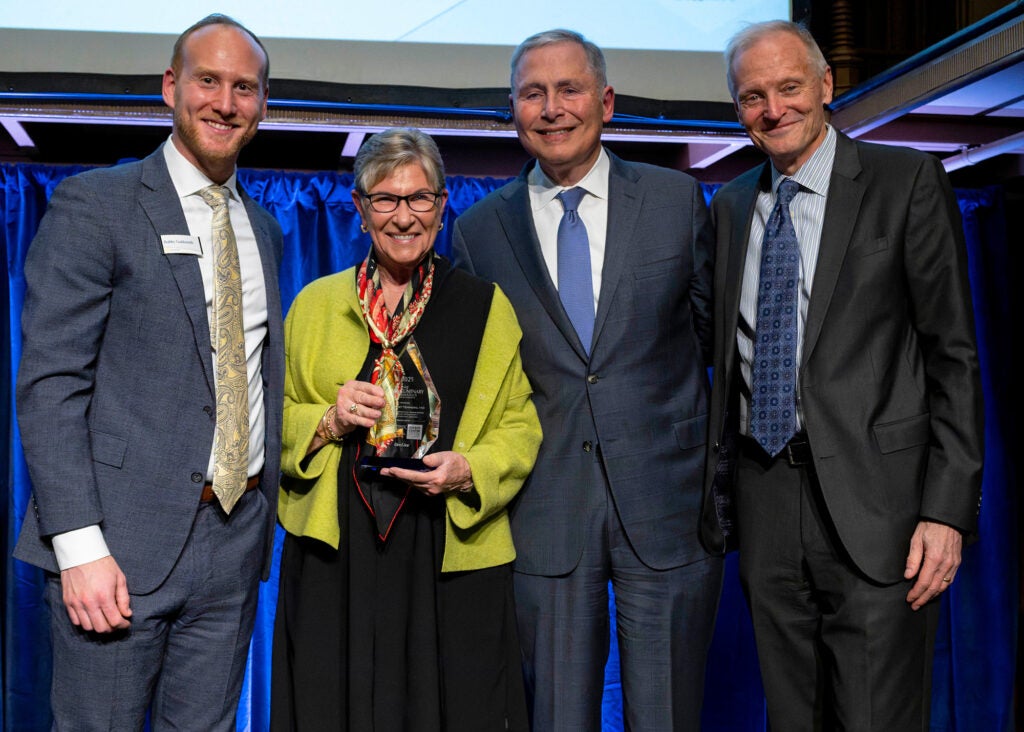
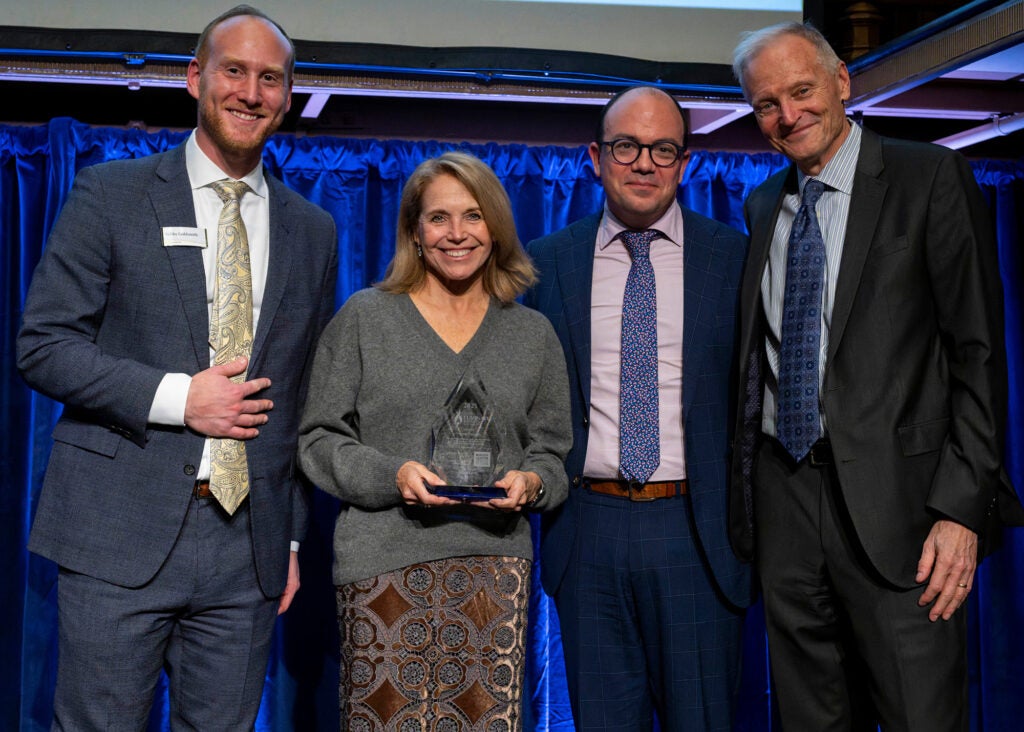
The Luminary Awards ceremony was held as part of the 16th Annual Ruesch Center Symposium, an event that brings together clinicians, researchers, patients, caregivers and industry representatives to network with each other while learning about the latest issues in GI cancer. More than 300 people registered for the two-day symposium.
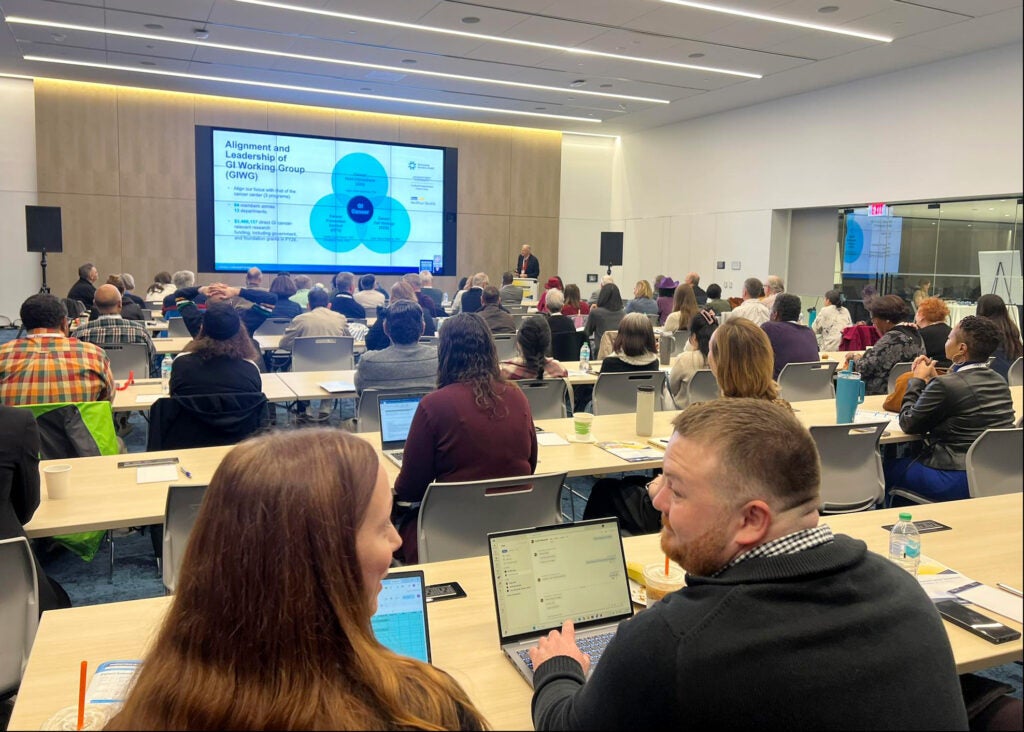
Sessions on the symposium’s first day covered personalized vaccines, precision medicine, the role of exercise in colorectal cancer occurrence and recurrence, and how the gut microbiome impacts cancer risk and recovery. In addition to receiving a Luminary Award in GI Cancer, Kopetz delivered the Thomas R. Schafer Memorial Lecture, titled “Harbinger’s Dilemma: ctDNA for Minimal Residual Disease in Colorectal Cancer.”
With a focus on patients and caregivers, the second day of the symposium included breakout sessions on psychosocial support, massage therapy for symptom management, navigating concerns about insurance, the workplace and legal issues. The symposium concluded with an opportunity for attendees to “ask the expert” their disease-specific questions.