

Intensive Telephone-Based Cessation Counseling Results in Improved Smoking Quit Rates
WASHINGTON (July 12, 2022) — Offering intensive, weekly telephone-based cessation counseling along with nicotine replacement for people who smoke and who were undergoing screening for lung cancer resulted in over a twofold greater cigarette quit rate compared to people who received minimal counseling and nicotine replacement, according to results of a national, randomized trial conducted by investigators at Georgetown Lombardi Comprehensive Cancer Center and colleagues.
Media Contact
Karen Teber
km463@georgetown.edu
The findings appeared July 12, 2022, in JNCI and will be presented at the 2022 World Conference on Lung Cancer in Vienna, Austria, in August 2022.
People with a long-term smoking history are at high risk for lung cancer. Screening with computed tomography (CT) scans can potentially detect lung nodules early so that the disease can be treated in its less advanced stages. When undergoing CT screening, people are routinely offered cessation support, including counseling and nicotine replacement, to help them quit.

“Quitting smoking is very difficult, and people who seek medication and support are more successful than those who try to quit on their own,” says Kathryn L. Taylor, PhD, professor in the Department of Oncology and a member of the Georgetown Lombardi Comprehensive Cancer Center’s Cancer Prevention and Control Program, and corresponding author of the study. “Importantly, making a quit attempt while undergoing lung screening may provide a boost to one’s motivation to stop smoking.”
The Georgetown Lung Screening, Tobacco, and Health trial randomized 818 people between 50 to 80 years of age with a 20-plus pack year smoking history (e.g., smoking two packs a day for a 10-year period equals 20 pack years). Enrollees at eight lung screening sites nationwide were randomly assigned to either intensive phone counseling of eight 20-minute sessions along with up to eight weeks of nicotine patches, or three counseling sessions and two weeks of patches, which is similar to what many state tobacco quitlines currently offer people who call seeking assistance with quitting.
During the counseling sessions, tobacco treatment specialists discussed smoking-related goals, nicotine patch use, strategies to address triggers for smoking, readiness to quit, and confidence and motivation to quit.
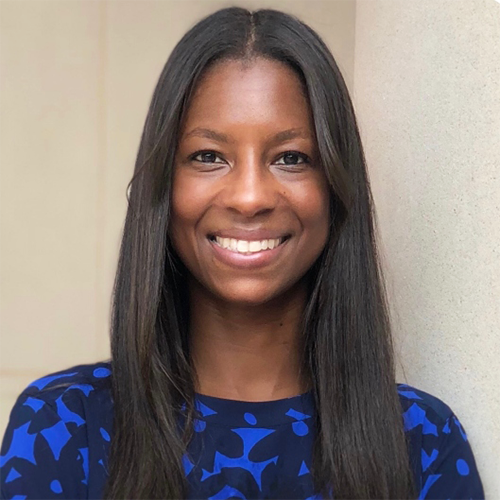
“Tobacco treatment specialists met participants where they were in their readiness to quit — which ranged from not being ready to make any changes at the moment, but willing to talk about smoking, versus being very ready to quit and wanting specific ideas for making changes to their smoking habits,” notes Randi M. Williams, PhD, MPH, assistant professor in the Department of Oncology at Georgetown and second author of the study.
Self-reported three-month quit rates were significantly higher in the intensive vs. minimal groups (14.3% vs. 7.9%). Importantly, quit rates that were verified by saliva strips or carbon monoxide tests were lower, but with similar relative differences between groups (9.1% vs. 3.9%) of about two to one. Compared to the minimal arm, the intensive arm was more effective at spurring cessation among people with greater nicotine dependence (about a 3 1/2 times greater benefit), normal screening results (over a 2 1/2 times greater benefit), high engagement in counseling (a three times greater benefit) and patch use (a nearly three times greater use).
Bolstering the value of intensive counseling for smoking cessation was a companion article appearing concurrently in JNCI Cancer Spectrum and led by researchers at the University of Michigan. The researchers found that even modest cessation rates achieved with intensive telephone counseling and nicotine replacement in the study group of people currently smoking and receiving lung screening led to savings in costs and lives compared to screening alone and would therefore be considered very cost-effective.
“Although the quit rates were modest overall, when comparing three-month and 12-month outcomes, both groups maintained the quit rates over time,” says Taylor. “Our next step is a planned trial with enhanced interventions and strategies to increase enrollment and treatment engagement among people undergoing lung screening in a large health care system, including underserved racial and ethnic minority groups, uninsured patients, and people not ready to quit.”
In addition to Taylor and Williams, the other authors from Georgetown include Tengfei Li, George Luta, Laney Smith, Kimberly M. Davis, Tania Lobo, Jeanne Mandelblatt, Jinani Jayasekera and Eric D. Anderson. Cassandra Stanton is at Westat, Rockville, Maryland; Raymond Niaura and David Abrams are at New York University, New York; Rafael Meza, Jihyoun and Jeonand Pianpian Cao are at the University of Michigan, Ann Arbor.
This study was supported by National Cancer Institute (NCI) grants R01CA207228 and R01CA207228-S1 as part of the NCI’s Smoking Cessation at Lung Examination (SCALE) collaboration.
The authors report having no personal financial interests related to the study.
-
Intensive Telephone-Based Cessation Counseling Results in Improved Smoking Quit Rates
WASHINGTON (July 12, 2022) — Offering intensive, weekly telephone-based cessation counseling along with nicotine replacement for people who smoke and who were undergoing screening for lung cancer resulted in over a twofold greater cigarette quit rate compared to people who received minimal counseling and nicotine replacement, according to results of a national, randomized trial conducted […]
Category: News Release
-
Survivorship Research Initiative’s New Director Hopes to Smooth a Rough Road
(June 24, 2022) — Both the American Cancer Society and the National Cancer Institute use the terms survivorship and survivor to refer to anyone with cancer, from the moment of diagnosis to the end of life. As the director of the Survivorship Research Initiative at Georgetown Lombardi Comprehensive Cancer Center, Nina Kadan-Lottick, MD, MSPH, a […]
Category: Lombardi Stories
-
Biomarkers Found That Could Be Drug Targets Against a Deadly Form of Brain Cancer
WASHINGTON (June 22, 2022) — Biomarkers that could be targets for novel drugs to treat glioblastoma brain tumors have been identified by investigators at Georgetown Lombardi Comprehensive Cancer Center, providing hope for a cancer that is highly lethal. Currently, the drug most often used to treat glioblastoma, temozolomide, is uniquely able to cross the blood/brain […]
Category: News Release
-
Georgetown Lombardi Arts and Humanities Online Classes Build Communities Across the Globe
(May 26, 2022) — For many students whose classes pivoted to virtual platforms during the pandemic, returning to in-person learning couldn’t come soon enough. But for participants in Georgetown Lombardi’s Arts & Humanities Program (AHP), many are hoping that online classes will be here to stay. Virtual Learning Goes Global Before the pandemic, Julia Langley, […]
Category: Lombardi Stories
-
Ralph Lauren Corporate Foundation Announces $25 Million Commitment to Five Cancer Centers Across America With Goal of Reducing Disparities in Cancer Care in Underserved Communities
Commitment Recognized by White House Cancer Moonshot Georgetown University to establish The Ralph Lauren Center for Cancer Prevention at Georgetown Lombardi Comprehensive Cancer Center in Washington, D.C. Memorial Sloan Kettering (MSK) Ralph Lauren Center to build upon 20-year partnership serving Harlem, New York, and surrounding communities Conquer Cancer®, the ASCO Foundation, to collaborate on the […]
Category: News Release
-
Study Shows Sleep Disturbances During the Pandemic Were Similar between Breast Cancer Survivors and Healthy Controls
WASHINGTON (May 2, 2022) — Results from the Thinking and Living with Cancer Study (TLC) showed that the development of sleep disturbances during the early months of the COVID-19 pandemic increased symptoms of depression and anxiety among older women, but the findings did not differ between women who survived breast cancer and women without cancer. […]
Category: News Release
-
Biological Pathways Found That Drive Genomic Changes and Bone Metastasis in Ewing Sarcoma, a Rare Childhood Cancer
WASHINGTON (April 28, 2022) — In studies using mice grafted with human Ewing sarcoma tissue, researchers from Georgetown University Medical Center and colleagues have identified a biological pathway that is activated when tissue is starved of oxygen due to rapid growth of a tumor, thereby allowing cancer cells to make genetic changes so they can […]
Category: News Release
-
New Factors That Can Predict Breast Cancer Recurrence Defined
Discovery Has the Potential to Also Benefit Treatment Choices. WASHINGTON (April 22, 2022) — Genetics and other factors that can determine if a woman is at risk for a recurrence of breast cancer have been identified by investigators at Georgetown Lombardi Comprehensive Cancer Center, providing new research avenues for preventing a new tumor from developing. […]
Category: News Release
-
Lombardi Gala: A ‘Community of Dedicated Supporters and Believers’
(March 26, 2022) — New and old friends of Georgetown Lombardi Comprehensive Cancer Center gathered for the 34th Annual Lombardi Gala to celebrate the mission and work of the cancer center and honor its steadfast supporters. “I am delighted to be here tonight to thank you for your support in our fight to end cancer […]
Category: Lombardi Stories
-
MRI May Lower Breast Cancer Deaths From Variants in Three Genes
Variants in these genes are as prevalent as the BRCA1/2 mutations. An analysis suggests annual MRI starting at age 30-35 would cut cancer mortality by 50%. WASHINGTON (February 17, 2022) — Annual MRI screenings starting at ages 30 to 35 may reduce breast-cancer mortality by more than 50% among women who carry certain genetic changes […]
Category: News Release